Trump administration offers 1% student loan interest-rate cut for borrowers who enroll in autopay

Millions of federal student loan borrowers will soon be eligible for a significantly larger interest-rate discount if they enroll in automatic payments, as the Trump administration rolls out a temporary incentive aimed at improving repayment rates and reducing outstanding student debt balances.
The U.S. Department of Education announced that borrowers who enroll in autopay will qualify for a 1 percentage point reduction in their student loan interest rate beginning July 1, up from the longstanding 0.25 percentage point discount. The enhanced benefit will remain in place through June 30, 2028, and could save borrowers hundreds or even thousands of dollars over the life of their loans.
Education officials say the move is designed to encourage more borrowers to return to active repayment as sweeping changes to federal student loan programs take effect this summer.
Borrowers can receive a larger interest-rate reduction

Under the new policy, eligible federal student loan borrowers who enroll in autopay will receive a full 1 percentage point reduction in their interest rate. This represents a fourfold increase over the current 0.25 percentage point discount that has been available for years.
The Department of Education said borrowers already enrolled in autopay will automatically receive the additional three-quarters percentage point reduction and do not need to take any action. Those who are not yet enrolled must sign up by Sept. 30 to receive the temporary benefit.
The benefit begins July 1 and runs through 2028
The enhanced discount will take effect on July 1, 2026, and remain available through June 30, 2028.
According to the Education Department, the incentive is available to borrowers who took out eligible federal student loans on or after July 2012, a group that represents the vast majority of federal student loan borrowers.
Officials estimate the temporary program will cost approximately $6 billion over its two-year duration.
How much borrowers could save

While the exact savings depend on loan balances and interest rates, the reduction could provide meaningful financial relief over time.
For example, the Education Department said a graduate borrower with $500,000 in student debt and a 7.94% interest rate could save nearly $230 per month during the two-year period. Over the life of a loan, lower interest charges can translate into hundreds or even thousands of dollars in savings.
The benefit is particularly notable given the relatively high interest rates facing many borrowers today.
Federal student loan interest rates remain elevated

Federal student loan rates for the 2026-2027 academic year remain well above levels seen during the pandemic-era low-rate environment.
Current rates are:
6.52% for undergraduate loans
8.07% for graduate student loans
9.07% for Parent PLUS loans
Because interest accrues daily, borrowers with higher balances can see their debt grow rapidly if they miss payments or fail to consistently reduce principal balances.
The administration wants more borrowers back in repayment
The announcement comes as the Trump administration seeks to improve repayment participation across the federal student loan system.
According to the Education Department, only 37% of the nearly 43 million Americans with federal student loans are currently paying down their balances. While that figure is slightly higher than a year ago, millions of borrowers remain behind on their payments.
Officials report that roughly 9 million borrowers are currently in default, while another 3 million are delinquent on their loans.
Education leaders argue that the enhanced autopay discount will help borrowers stay current on their loans while also improving the financial health of the federal student loan program.
“This temporary incentive is designed to help borrowers pay down their balances more quickly, take full advantage of new repayment benefits, remain on track toward loan discharge opportunities, and to strengthen the overall health of the federal student loan portfolio,” Education Undersecretary Nicholas Kent told reporters on Thursday.
In a separate statement, Kent added: “This interest rate reduction will help borrowers as they consider new, affordable repayment plans and work to repay their loans on time. We expect this temporary incentive to drive up repayment rates and significantly improve the overall health of the federal student loan portfolio.”
Borrowers in default must take additional steps

Not every borrower will immediately qualify for the new benefit.
The Education Department said borrowers who are currently in default must first return their loans to good standing before becoming eligible for the interest-rate reduction.
Officials said borrowers in default can consolidate their loans and enroll in a new repayment plan before signing up for autopay.
The SAVE plan is being phased out

The new incentive arrives as the administration continues winding down the Saving on a Valuable Education (SAVE) plan, a Biden-era income-driven repayment program.
Nearly 7 million borrowers remain enrolled in SAVE, according to Education Department estimates. However, officials said approximately 400,000 borrowers have already transitioned into other repayment options.
The administration hopes that the combination of new repayment plans and the temporary interest-rate discount will encourage additional borrowers to leave the suspended program and resume repayment.
Beginning July 1, borrowers will be able to enroll in the new Repayment Assistance Plan (RAP), one of the most significant changes included in the administration’s student loan overhaul.
Under RAP, monthly payments will be tied to income, ranging from 1% to 10% depending on a borrower’s earnings. The plan also waives unpaid monthly interest, preventing balances from growing due to unpaid interest charges.
However, some borrowers are expected to see higher monthly payments than under previous repayment plans, with certain borrowers facing increases of hundreds of dollars per month.
New standard repayment options are also coming
In addition to RAP, the administration is introducing a revised standard repayment structure.
Rather than the traditional 10-year repayment timeline, borrowers will have repayment terms ranging from 10 to 25 years depending on the amount they owe. Larger balances will qualify for longer repayment periods, potentially lowering monthly payments while extending the repayment timeline.
The new structure is intended to provide additional flexibility for borrowers managing substantial student loan debt.
What borrowers should know before the September deadline

Borrowers who want to take advantage of the temporary interest-rate reduction should review their repayment status and autopay enrollment options before the Sept. 30 deadline.
Those already enrolled in autopay will automatically receive the enhanced discount, while new participants can sign up through their loan servicer. Borrowers in default will need to restore their loans to good standing before becoming eligible.
With new repayment plans launching July 1 and major changes to the federal student loan system underway, the administration is betting that a larger interest-rate discount will encourage more borrowers to return to repayment and reduce the growing burden of student debt.
Like Financial Freedom Countdown content? Be sure to follow us!
14 essential strategies to maximize your Social Security and avoid costly mistakes
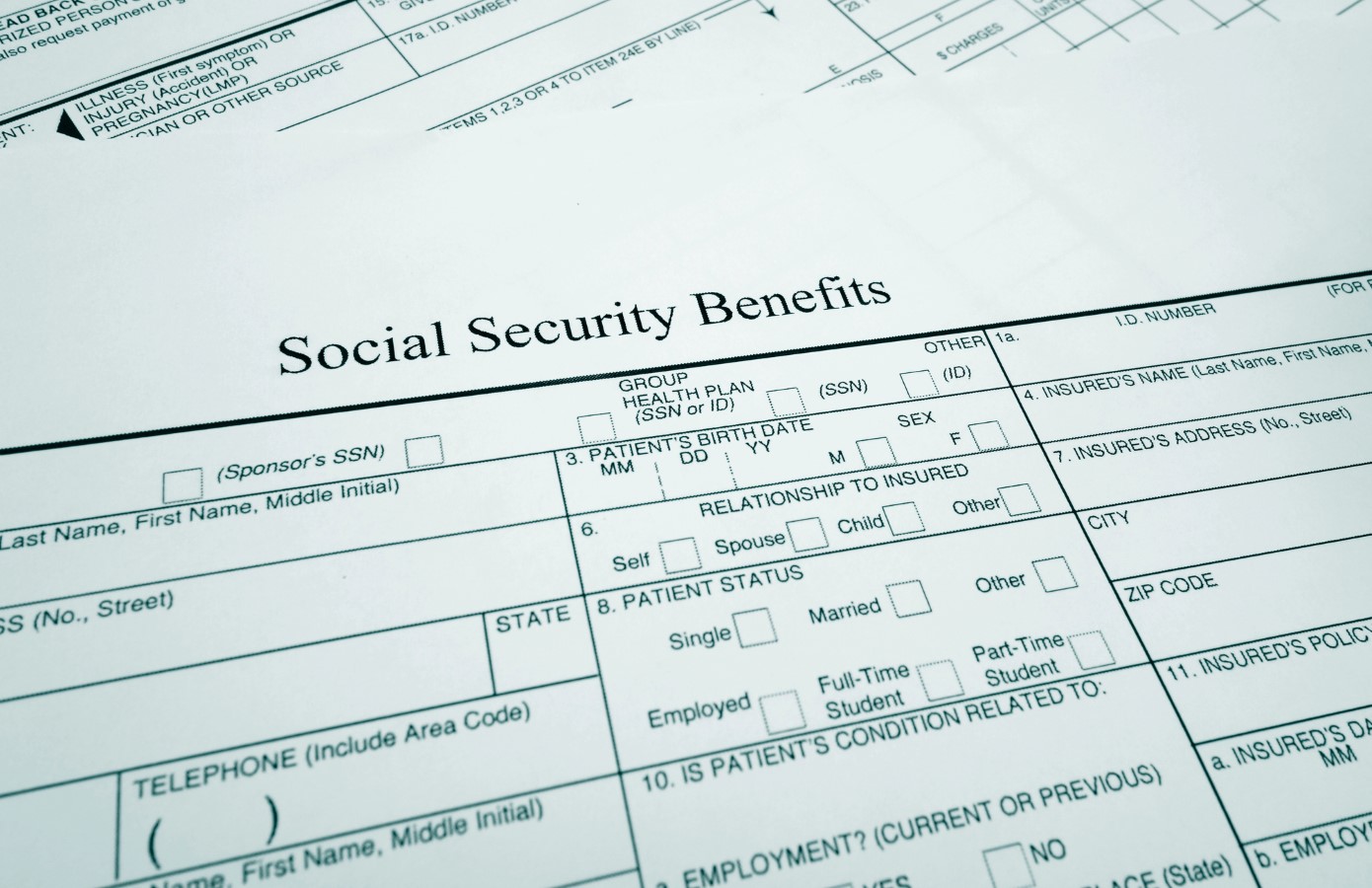
Social Security is a vital lifeline for many seniors, providing crucial income support during retirement. With inflation at its highest in four decades, Social Security’s inflation-adjusted benefits offer protection against rising costs.
Rising interest rates have disrupted many retirement portfolios, causing bond fund values to plummet. In this volatile financial landscape, Social Security can stabilize a typical stock-bond retirement portfolio. By implementing smart strategies, retirees can maximize their Social Security benefits and ensure a more secure financial future.
14 Essential Strategies to Maximize Your Social Security and Avoid Costly Mistakes
11 reasons you should claim Social Security early

Deciding when to claim Social Security is often about maximizing your benefit. Financial planners usually advise delaying your claim for as long as possible to secure the highest monthly payment. Your benefit is based on your lifetime earnings, with a full payout available at your full retirement age (FRA), which is currently between 66 and 67 depending on your birth year. Claiming before FRA results in a permanent reduction in your monthly benefit, while waiting beyond FRA leads to a permanent increase. However, the decision isn’t solely about maximizing the monthly check. Personal factors such as health, family circumstances, and financial needs can play a significant role in determining the right time to claim.
11 Reasons You Should Claim Social Security Early
Did you find this article helpful? We’d love to hear your thoughts! Leave a comment with the box on the left-hand side of the screen and share your thoughts.
Also, do you want to stay up-to-date on our latest content?
1. Follow us by clicking the [+ Follow] button above,
2. Give the article a Thumbs Up on the top-left side of the screen.
3. And lastly, if you think this information would benefit your friends and family, don’t hesitate to share it with them!

John Dealbreuin came from a third world country to the US with only $1,000 not knowing anyone; guided by an immigrant dream. In 12 years, he achieved his retirement number.
He started Financial Freedom Countdown to help everyone think differently about their financial challenges and live their best lives. John resides in the San Francisco Bay Area enjoying nature trails and weight training.
Here are his recommended tools
Personal Capital: This is a free tool John uses to track his net worth on a regular basis and as a retirement planner. It also alerts him wrt hidden fees and has a budget tracker included.
Platforms like Yieldstreet provide investment options in art, legal, real estate, structured notes, venture capital, etc. They also have fixed-income portfolios spread across multiple asset classes with a single investment with low minimums of $10,000.