
Trump announces $90 Medicare checks for 20 million seniors: Who qualifies

President Donald Trump has announced a new initiative to provide one-time payments of $90 to over 20 million seniors enrolled in Medicare. Coming just weeks before the midterm elections, the distribution is designed to assist beneficiaries with the rising costs of healthcare, specifically Medicare Part B premiums.
Speaking on the initiative, Trump made clear that his goal was to provide immediate relief to retirees, announcing the rollout late on Truth Social before official guidance was published by the White House.
In announcing the program, Trump stated: “My Administration will, immediately, begin sending ‘Checks’ of nearly $100 to over 20 MILLION wonderful Seniors to help pay for their Medicare Part B premiums.”
He went on to frame the cash assistance as a defense of entitlement programs, adding:
“I pledged to protect and preserve Medicare and Social Security, which were on the verge of RUIN by Joe Biden, who foolishly and maliciously let tens of millions of Illegal Aliens into our Country, and we are doing just that for America’s Seniors.”
Who qualifies for the $90 Medicare payment

Eligibility for the $90 payment centers primarily on standard Medicare Part B beneficiaries. According to guidance issued by the White House and the Centers for Medicare & Medicaid Services (CMS), the majority of traditional Medicare Part B enrollees qualify for the distribution.
To receive the funds, beneficiaries generally need to be paying their own standard monthly Part B premiums out of pocket or having them deducted from their Social Security checks. The administration estimates that roughly 20 million seniors fall within this eligible bracket. Beneficiaries seeking to verify their personal eligibility status can call 1-800-MEDICARE (1-800-633-4227).
Exclusions that disqualify certain seniors from receiving payments

While millions of seniors are set to receive checks, the program explicitly excludes large segments of Medicare recipients based on income levels and coverage structures:
Medicaid dual-eligibles: Low-income seniors whose Medicare Part B premiums are already fully or partially covered by Medicaid do not qualify.
Higher-income earners: Beneficiaries who pay an Income-Related Monthly Adjustment Amount (IRMAA); an extra surcharge added to Part B and Part D premiums for individuals with higher incomes; are excluded.
Medicare Advantage enrollees: Seniors enrolled in private Medicare Advantage (Part C) plans rather than traditional fee-for-service Medicare are largely omitted from this specific distribution.
Because of these restrictive exclusions, roughly half of all Medicare recipients overall will not qualify for the $90 check.
Delivery dates and methods for receiving the $90 check

The White House indicated that distribution began in early October. Beneficiaries do not need to submit a formal application to claim their funds, as payments are processed using existing records on file.
Payments are being distributed through two primary methods:
Direct deposit: Eligible seniors who have direct deposit set up with the Social Security Administration or Medicare will receive the $90 payment transferred electronically into their bank accounts.
Paper checks: Beneficiaries without direct deposit will be sent a physical check by mail, dispatched to the residential address officially registered with Medicare.
For updates on payment statuses, the administration advises beneficiaries to contact the Social Security Administration at 1-800-772-1213.
Tapping into the Medicare Improvement Fund

The funding for the $90 checks originates from the Medicare Improvement Fund (MIF). Established by Congress to make adjustments and improvements to the Medicare fee-for-service system, the fund held approximately $2 billion that had remained largely unspent for this purpose.
Trump criticized prior congressional usage of the fund, stating: “This money will come from the Medicare Improvement Fund, a pointless ‘Slush Fund’ that has only been used by Dumocrats in Congress to pay for the Waste, Fraud, and Abuse.”
Addressing the legal authority behind utilizing the fund for direct payments, Larry Levitt, Executive Vice President for Health Policy at KFF, noted: “The Medicare Improvement Fund language is quite broad and gives substantial discretion to the administration.”
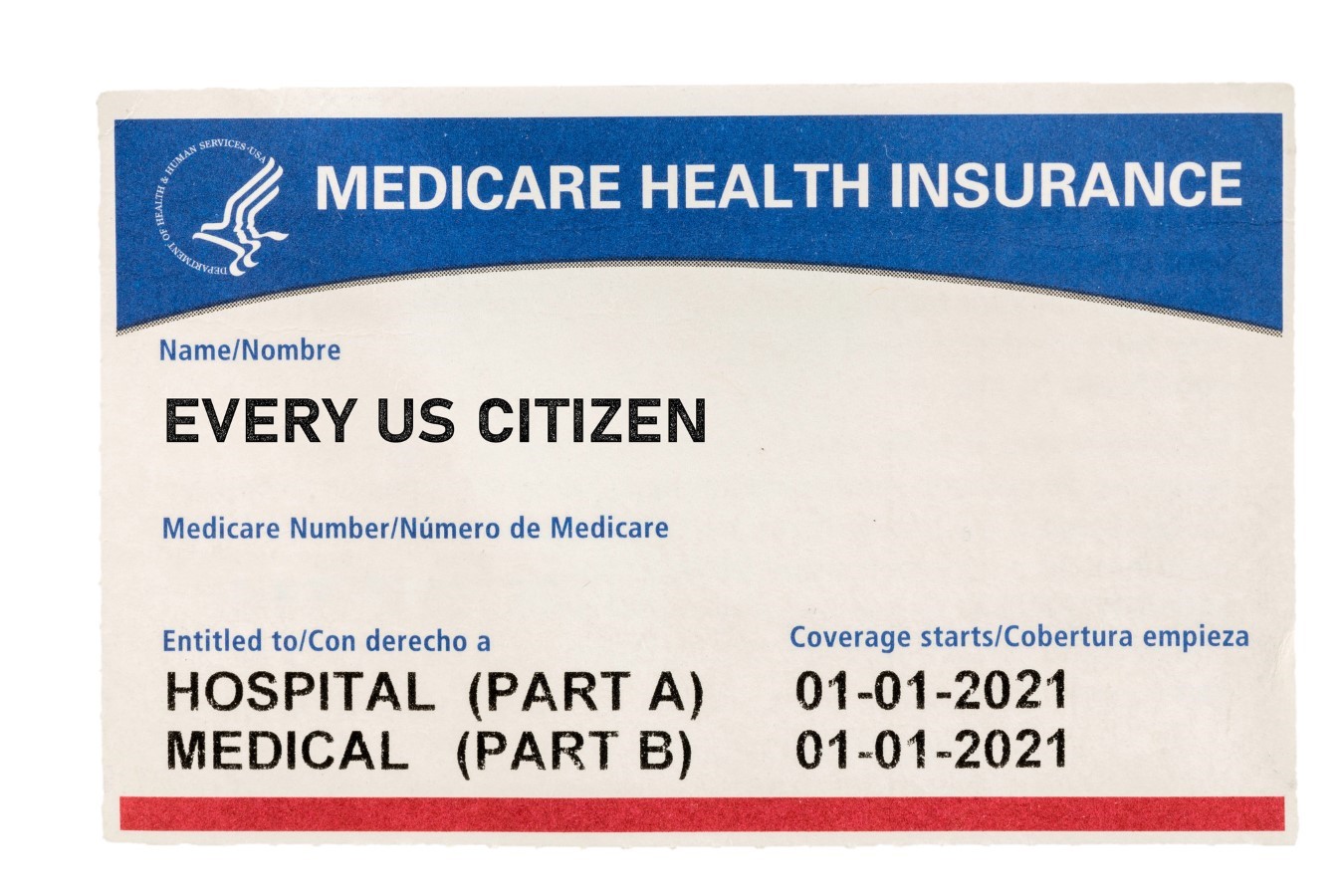
The one-time $90 distribution arrives amid growing concerns over rising healthcare costs. According to the Medicare Trustees Report, the standard monthly Medicare Part B premium increased to $202.90, up from $185 in the previous year.
Although the $90 sum provides temporary relief, officials emphasize that it operates as a one-time rebate rather than a permanent reduction in monthly Medicare Part B premiums. The core fee structure remains unchanged, but the payment effectively offsets about half of one month’s standard premium for recipients.
Midterm election context and voter sentiment
The timing of the payout; occurring just weeks prior to the November 3 midterm elections; has drawn significant attention from political analysts. Older voters aged 65 and above represent one of the most reliable voting demographics in the United States, making healthcare costs and retirement benefits pivotal campaign issues.
Reflecting on the political timing and whether to execute the distribution before the election, Trump openly remarked during a public event:
“Maybe I should have waited a year. To be honest, I said that. Should I wait for before the election?”
Polling reveals that economic pressure remains a critical issue for voters, with many expressing concern over the cost of living, gas prices, and medical expenses. By delivering direct cash payments directly to seniors’ bank accounts and mailboxes, the Republican administration aims to ease financial burdens ahead of competitive Congressional races.
Part of broader financial measures by the administration

The $90 Medicare rebate is one component of a broader push by the administration to distribute direct financial assistance to targeted groups of voters. Alongside the Medicare Improvement Fund release, the White House announced related health-cost relief measures, including separate refund checks targeting Americans who faced high healthcare charges under Affordable Care Act coverage.
As Trump described in his statement: “This is separate from the equally substantial Refund ‘Checks’ we are sending to One Million Americans who were overcharged for their Unaffordable Care Act plans by Joe Biden.”
Together, these measures highlight a focused executive strategy to deliver direct cash payments to senior citizens and health insurance consumers.
Like Financial Freedom Countdown content? Be sure to follow us!
14 essential strategies to maximize your Social Security and avoid costly mistakes
Social Security is a vital lifeline for many seniors, providing crucial income support during retirement. With inflation at its highest in four decades, Social Security’s inflation-adjusted benefits offer protection against rising costs.
Rising interest rates have disrupted many retirement portfolios, causing bond fund values to plummet. In this volatile financial landscape, Social Security can stabilize a typical stock-bond retirement portfolio. By implementing smart strategies, retirees can maximize their Social Security benefits and ensure a more secure financial future.
14 Essential Strategies to Maximize Your Social Security and Avoid Costly Mistakes

Did you find this article helpful? We’d love to hear your thoughts! Leave a comment with the box on the left-hand side of the screen and share your thoughts.
Also, do you want to stay up-to-date on our latest content?
1. Follow us by clicking the [+ Follow] button above,
2. Give the article a Thumbs Up on the top-left side of the screen.
3. And lastly, if you think this information would benefit your friends and family, don’t hesitate to share it with them!

John Dealbreuin came from a third world country to the US with only $1,000 not knowing anyone; guided by an immigrant dream. In 12 years, he achieved his retirement number.
He started Financial Freedom Countdown to help everyone think differently about their financial challenges and live their best lives. John resides in the San Francisco Bay Area enjoying nature trails and weight training.
Here are his recommended tools
Personal Capital: This is a free tool John uses to track his net worth on a regular basis and as a retirement planner. It also alerts him wrt hidden fees and has a budget tracker included.
Platforms like Yieldstreet provide investment options in art, legal, real estate, structured notes, venture capital, etc. They also have fixed-income portfolios spread across multiple asset classes with a single investment with low minimums of $10,000.