California billionaire tax qualifies for ballot as Newsom races to stop 5% wealth levy
California voters are on track to decide the fate of a controversial billionaire tax this November after supporters gathered enough signatures to qualify the proposal for the ballot, setting the stage for what could become one of the most expensive and closely watched political battles in state history.
The measure would impose a one-time 5% tax on California residents with net assets exceeding $1 billion. Supporters argue the proposal would generate tens of billions of dollars for healthcare, education and food assistance programs, while opponents warn it could drive wealthy residents and future tax revenue out of the state.
The fight has already divided California Democrats, organized labor groups and some of Silicon Valley’s most influential figures. With a June 25 deadline approaching, Gov. Gavin Newsom and a growing coalition of opponents are making a final push to keep the measure from appearing before voters.
What the California billionaire tax would do

The proposed initiative would levy a one-time 5% tax on individuals whose net worth exceeds $1 billion. Supporters say the measure could raise tens of billions of dollars that would be directed primarily toward healthcare services, while also supporting education and food assistance programs.
If approved by voters, the tax would apply to a relatively small number of ultrawealthy Californians. Estimates suggest more than 200 billionaires currently reside in the state and could potentially be affected.
How the measure reached the ballot stage
The initiative was proposed by Service Employees International Union-United Healthcare Workers West (SEIU-UHW), a healthcare workers union representing more than 100,000 workers.
The union announced in April that it had submitted more than 1.5 million signatures to qualify the measure, nearly double the roughly 875,000 signatures required. California’s secretary of state later confirmed that enough valid signatures had been collected, allowing the proposal to advance toward the November ballot.
The qualification marks a significant victory for supporters, particularly because some opponents had hoped the initiative would fail to gather sufficient verified signatures.
Newsom leads opposition campaign
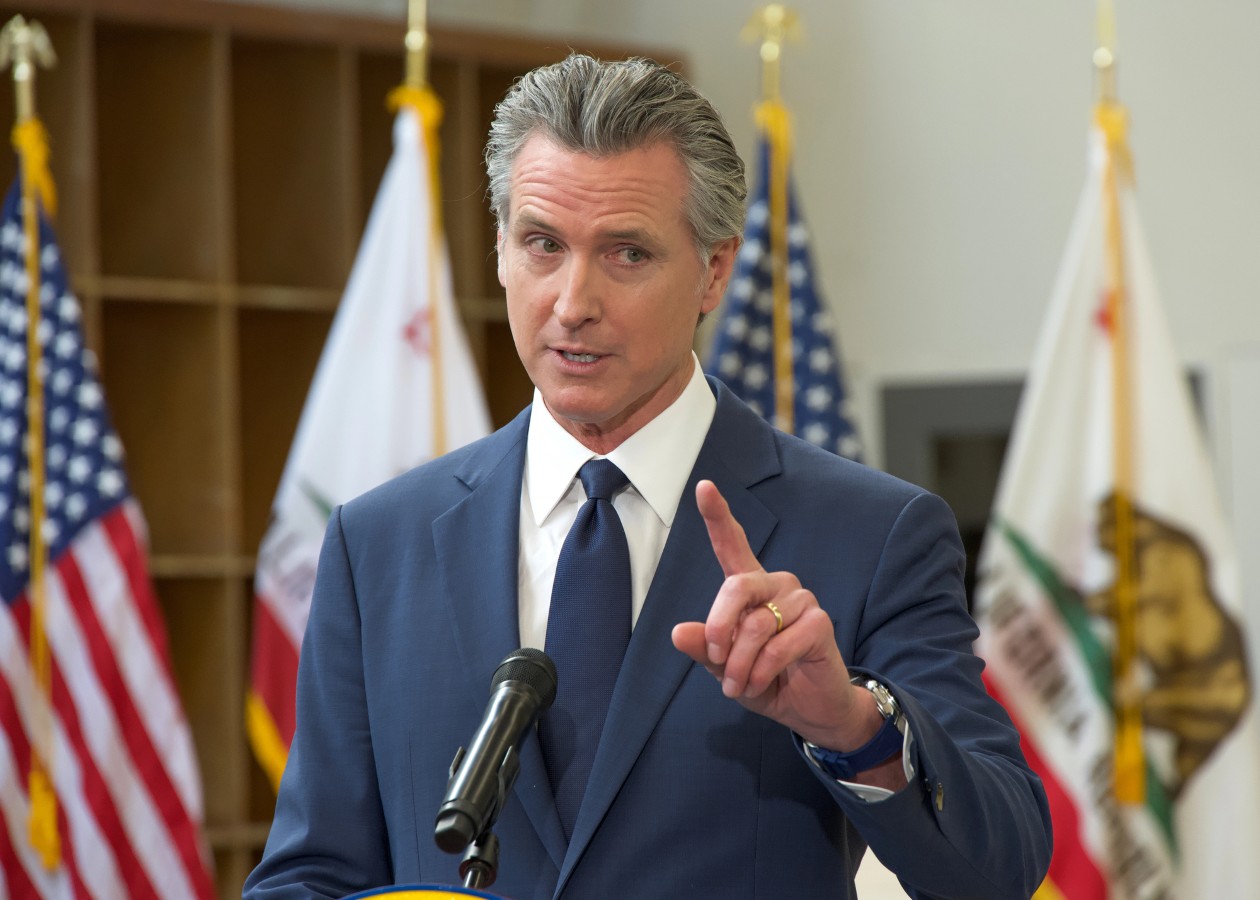
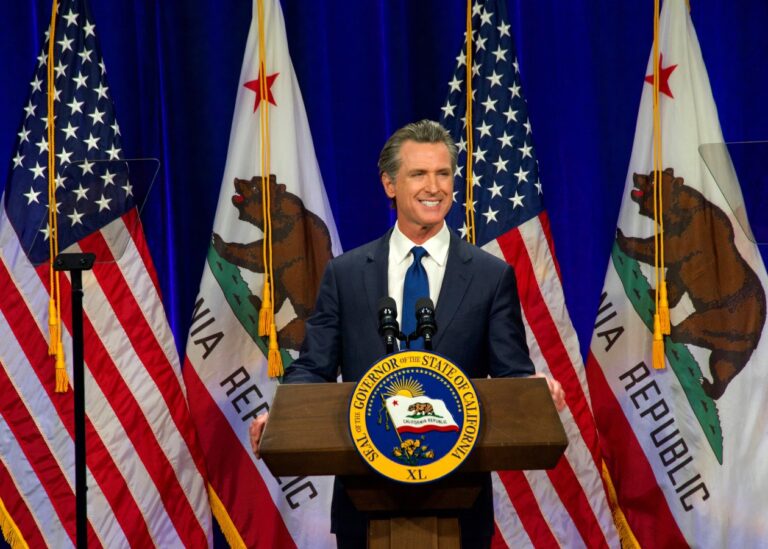
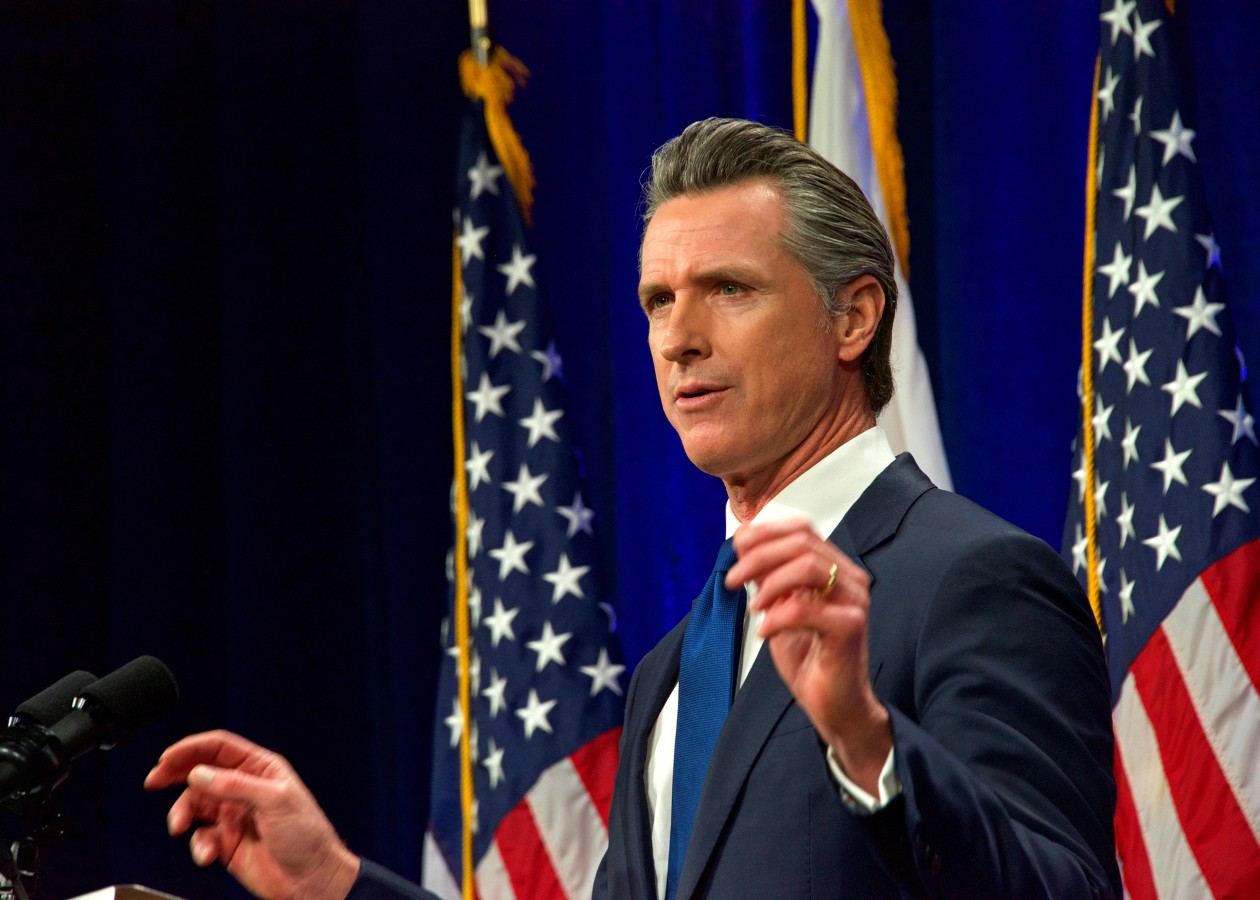
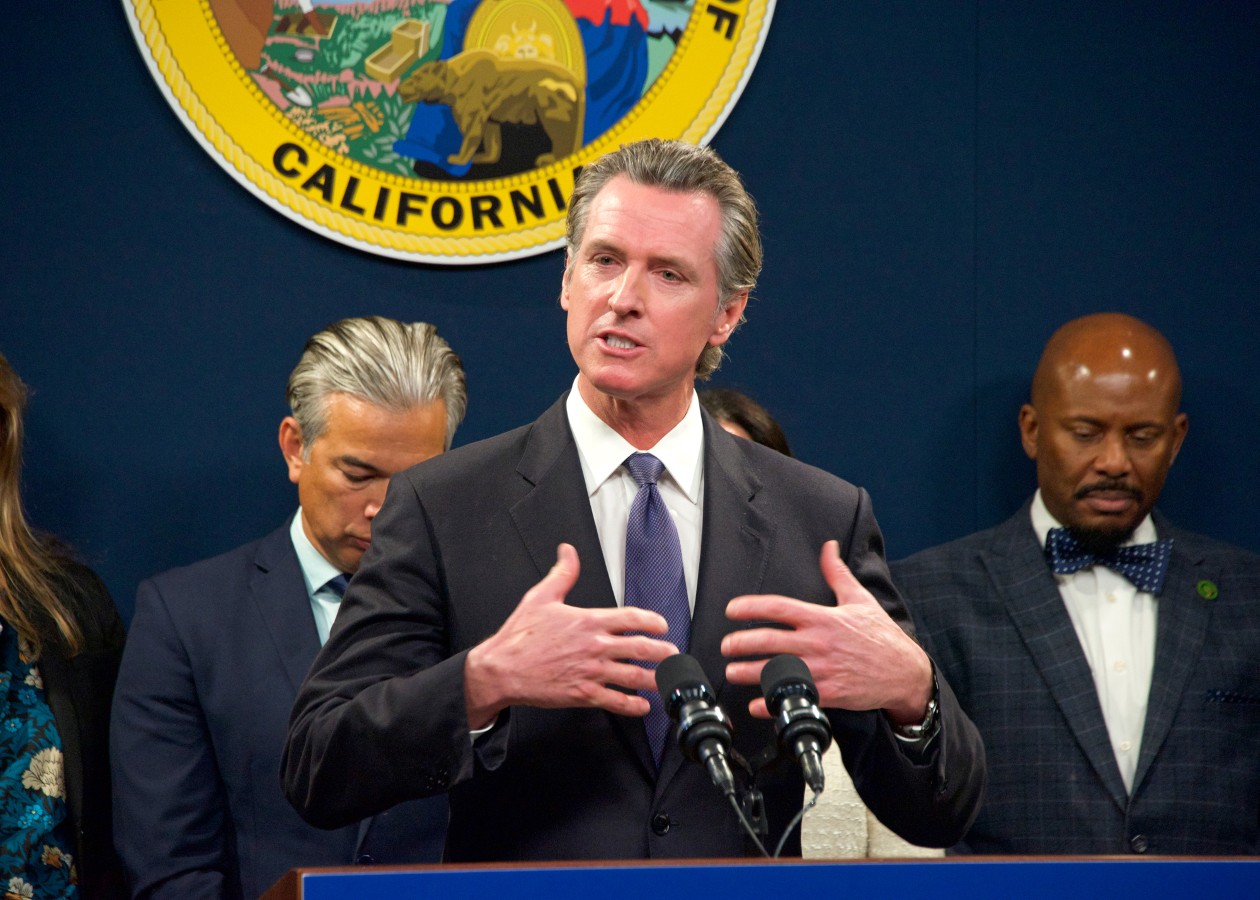
Gov. Gavin Newsom has emerged as one of the proposal’s most prominent opponents and has vowed to stop the measure from becoming law.
Earlier this year, Newsom told The New York Times that he believed the tax could hinder innovation and economic growth in California. “I’ll do what I have to do to protect the state,” he said.
Newsom’s office has emphasized that the governor supports California’s progressive income tax system but opposes a separate wealth tax. According to his office, California’s current system places a larger burden on higher earners while avoiding taxes that disproportionately affect lower-income residents.
As the June deadline approaches, several organizations that typically align with Democratic causes have publicly opposed the initiative.
The California Teachers Association voted against the proposal, arguing that it would not provide sustainable long-term funding for schools and communities. Planned Parenthood Affiliates of California and several labor organizations have also joined the opposition.
The emergence of resistance from groups traditionally aligned with organized labor has increased pressure on supporters and highlighted growing concerns about the measure’s economic implications.
Supporters say healthcare funding is at stake

Backers of the initiative argue that California needs new revenue sources to protect healthcare services and social programs from potential federal spending reductions.
Supporters have framed the proposal as a response to concerns about cuts that could affect hospitals, healthcare workers and vulnerable populations across the state.
Progressive leaders including Sen. Bernie Sanders and Rep. Ro Khanna have voiced support for the measure, arguing that California’s wealthiest residents should contribute more to fund essential public services.
SEIU-UHW chief of staff Suzanne Jimenez defended the proposal amid mounting criticism.
“The number of people who have privately resisted pressure to oppose the billionaire tax is far greater than the small number who have opposed it.” She added: “There is a big gap right now between the position some organizational leaders are taking versus the needs of their constituents, but that will not stop health care workers from achieving solutions that fight back against the Trump cuts to patient care in California.”
Organized labor finds itself divided. The billionaire tax has exposed unusual divisions within California’s labor movement.
While SEIU-UHW remains the driving force behind the proposal, other influential unions have expressed concerns about the initiative’s structure, economic impact and political consequences.
The split reflects broader tensions within California’s Democratic coalition, where progressive activists and some labor groups are increasingly at odds with more moderate factions worried about the state’s fiscal stability and business climate.
Silicon Valley billionaires enter the battle

The measure has also drawn fierce opposition from some of California’s wealthiest residents and technology leaders.
Google co-founder Sergey Brin has been among the high-profile critics warning that the tax could damage California’s competitiveness. Other prominent billionaires have contributed financially to campaigns opposing the initiative or supporting rival tax measures.
According to reports, PayPal and Palantir co-founder Peter Thiel donated $3 million to the California Business Roundtable, while former Google CEO Eric Schmidt contributed $1 million to the organization.
The involvement of major technology executives has transformed the debate into a broader battle over California’s economic model and future growth prospects.
Concerns about billionaire migration
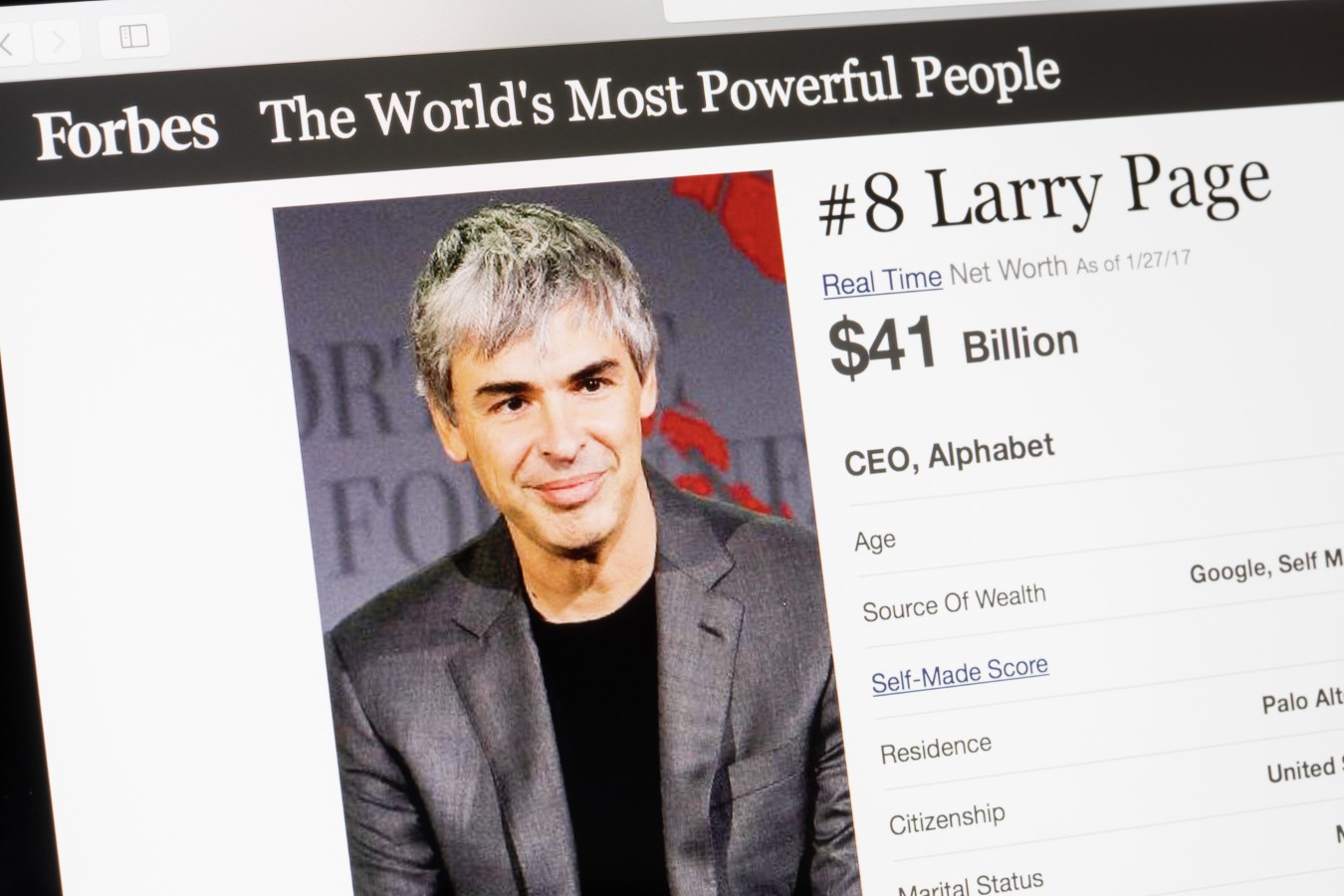
One of the central arguments against the proposal is the possibility that wealthy residents could leave California if the tax is enacted.
Critics point to recent relocations by high-profile business leaders, including Google co-founder Larry Page, as evidence that affluent individuals can move their residences and investments elsewhere.
Opponents argue that because California relies heavily on income tax revenue from high earners, losing even a small number of wealthy residents could ultimately reduce state revenues rather than increase them.
Not every billionaire opposes the measure, however. Nvidia CEO Jensen Huang has publicly stated that he is “perfectly fine” with the proposed tax.
Early polling suggests voter support

Public opinion surveys conducted earlier this year suggested that the idea initially resonated with many voters.
A poll found that approximately half of registered voters supported a one-time wealth tax, while fewer than one-third opposed it.
The findings indicated that voters were receptive to arguments about taxing extreme wealth, particularly amid broader concerns about economic inequality and public funding needs.
Despite favorable early polling, recent developments suggest supporters may face a more difficult path than initially expected.
San Francisco voters recently rejected a separate tax targeting high-income earners, leading some political observers to question whether broader support for wealth-related taxes may be weakening.
Opponents hope that concerns about economic competitiveness, business investment and taxpayer migration will gain traction as voters learn more about the proposal.
The fight could shape Newsom’s standing ahead of a potential 2028 campaign
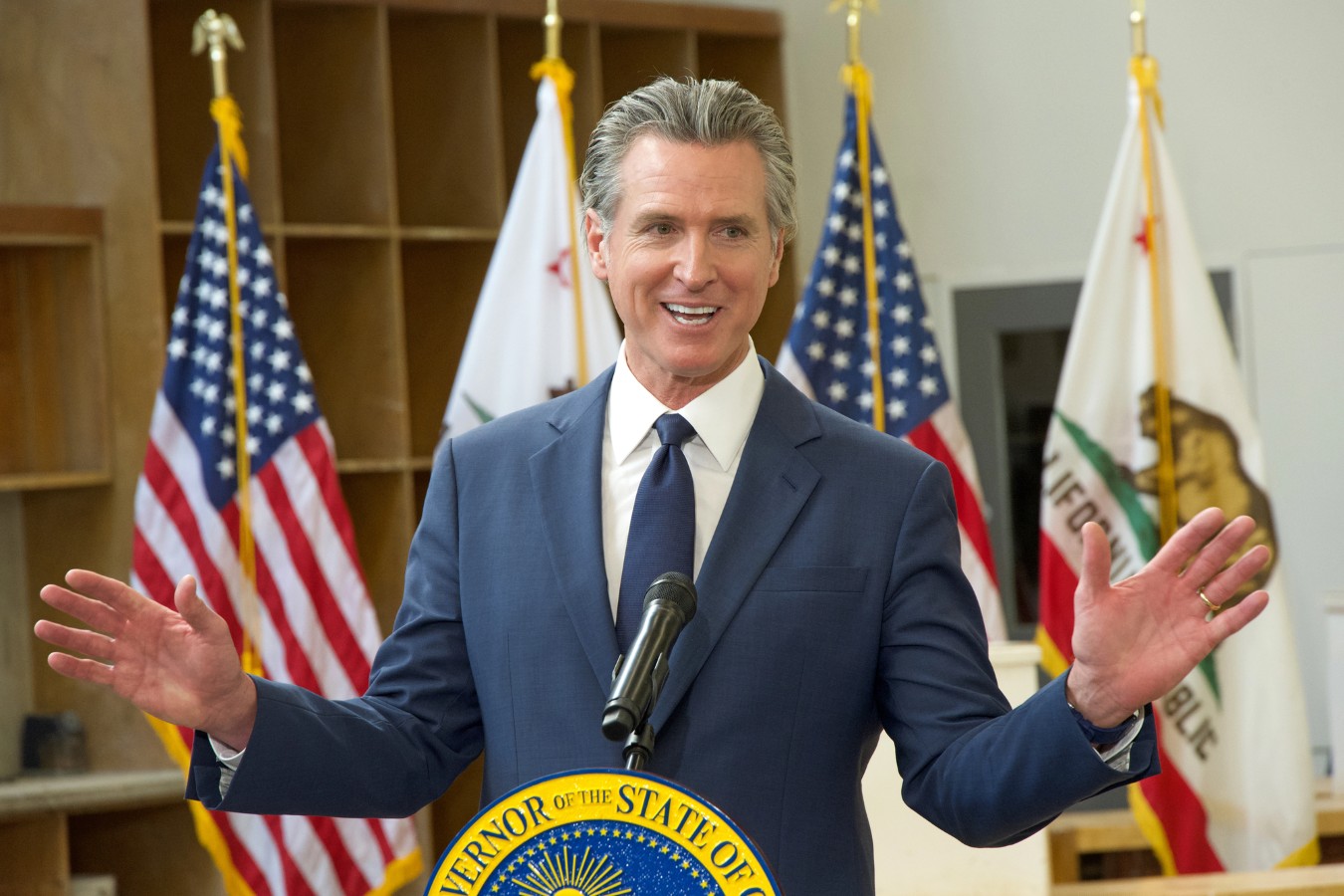
Although the measure has qualified for the ballot, there remains a possibility it could still be withdrawn before the state’s late-June deadline as part of negotiations involving lawmakers, labor groups and the governor’s office.
For now, however, California appears headed toward a statewide showdown that could shape debates over taxation, inequality and public spending far beyond its borders.
The campaign is expected to serve as an early test of Democratic voters’ views on taxing extreme wealth ahead of the 2028 presidential election cycle. Newsom might appeal to the moderates nationally with his opposition to the tax.
Whether voters embrace the proposal or reject it, the outcome is likely to influence similar efforts across the country and further define California’s role at the center of America’s economic and political debates.
Like Financial Freedom Countdown content? Be sure to follow us!
14 essential strategies to maximize your Social Security and avoid costly mistakes

Social Security is a vital lifeline for many seniors, providing crucial income support during retirement. With inflation at its highest in four decades, Social Security’s inflation-adjusted benefits offer protection against rising costs.
Rising interest rates have disrupted many retirement portfolios, causing bond fund values to plummet. In this volatile financial landscape, Social Security can stabilize a typical stock-bond retirement portfolio. By implementing smart strategies, retirees can maximize their Social Security benefits and ensure a more secure financial future.
14 Essential Strategies to Maximize Your Social Security and Avoid Costly Mistakes
11 reasons you should claim Social Security early

Deciding when to claim Social Security is often about maximizing your benefit. Financial planners usually advise delaying your claim for as long as possible to secure the highest monthly payment. Your benefit is based on your lifetime earnings, with a full payout available at your full retirement age (FRA), which is currently between 66 and 67 depending on your birth year. Claiming before FRA results in a permanent reduction in your monthly benefit, while waiting beyond FRA leads to a permanent increase. However, the decision isn’t solely about maximizing the monthly check. Personal factors such as health, family circumstances, and financial needs can play a significant role in determining the right time to claim.
11 Reasons You Should Claim Social Security Early

Did you find this article helpful? We’d love to hear your thoughts! Leave a comment with the box on the left-hand side of the screen and share your thoughts.
Also, do you want to stay up-to-date on our latest content?
1. Follow us by clicking the [+ Follow] button above,
2. Give the article a Thumbs Up on the top-left side of the screen.
3. And lastly, if you think this information would benefit your friends and family, don’t hesitate to share it with them!

John Dealbreuin came from a third world country to the US with only $1,000 not knowing anyone; guided by an immigrant dream. In 12 years, he achieved his retirement number.
He started Financial Freedom Countdown to help everyone think differently about their financial challenges and live their best lives. John resides in the San Francisco Bay Area enjoying nature trails and weight training.
Here are his recommended tools
Personal Capital: This is a free tool John uses to track his net worth on a regular basis and as a retirement planner. It also alerts him wrt hidden fees and has a budget tracker included.
Platforms like Yieldstreet provide investment options in art, legal, real estate, structured notes, venture capital, etc. They also have fixed-income portfolios spread across multiple asset classes with a single investment with low minimums of $10,000.