
Newsom backs measure pitched as retirement savings protection, deepening split with California Democrats

California Gov. Gavin Newsom is backing a ballot measure promoted as a way to protect retirement savings from future state taxes, putting him at odds with the California Democratic Party and progressives. The fight over Propositions 40 and 42 has become a broader debate over health care funding, the taxation of personal wealth and whether California should limit its ability to tax assets in the future.
Newsom backs Proposition 42 as California Democrats split over taxes

Newsom endorsed Proposition 42, siding with supporters who say Californians need constitutional protection against new taxes on retirement accounts, investments and other personal assets. His position puts him at odds with the California Democratic Party, which endorsed Proposition 40, the proposed one-time tax on billionaires.
The disagreement is significant because Proposition 42 would do more than address retirement savings. It would prohibit new state taxes on the ownership of personal property, including financial assets, and certain retroactive taxes. That could prevent Proposition 40 from taking effect if both measures pass and Proposition 42 receives more affirmative votes.
In his endorsement statement, Newsom said: “We all agree that Californians deserve to have their retirement and life savings protected from new state taxes so those savings are there when they need them,” according to CalMatters.
Supporters include California professional firefighters, building-trades organizations, a coalition of
retirees, blue-collar workers, seniors, veterans, small business and taxpayers.
Opponents include U.S. Sen. Bernie Sanders and the Service Employees International Union-United Healthcare Workers West, the labor union sponsoring Proposition 40.
What Proposition 42 would actually prohibit
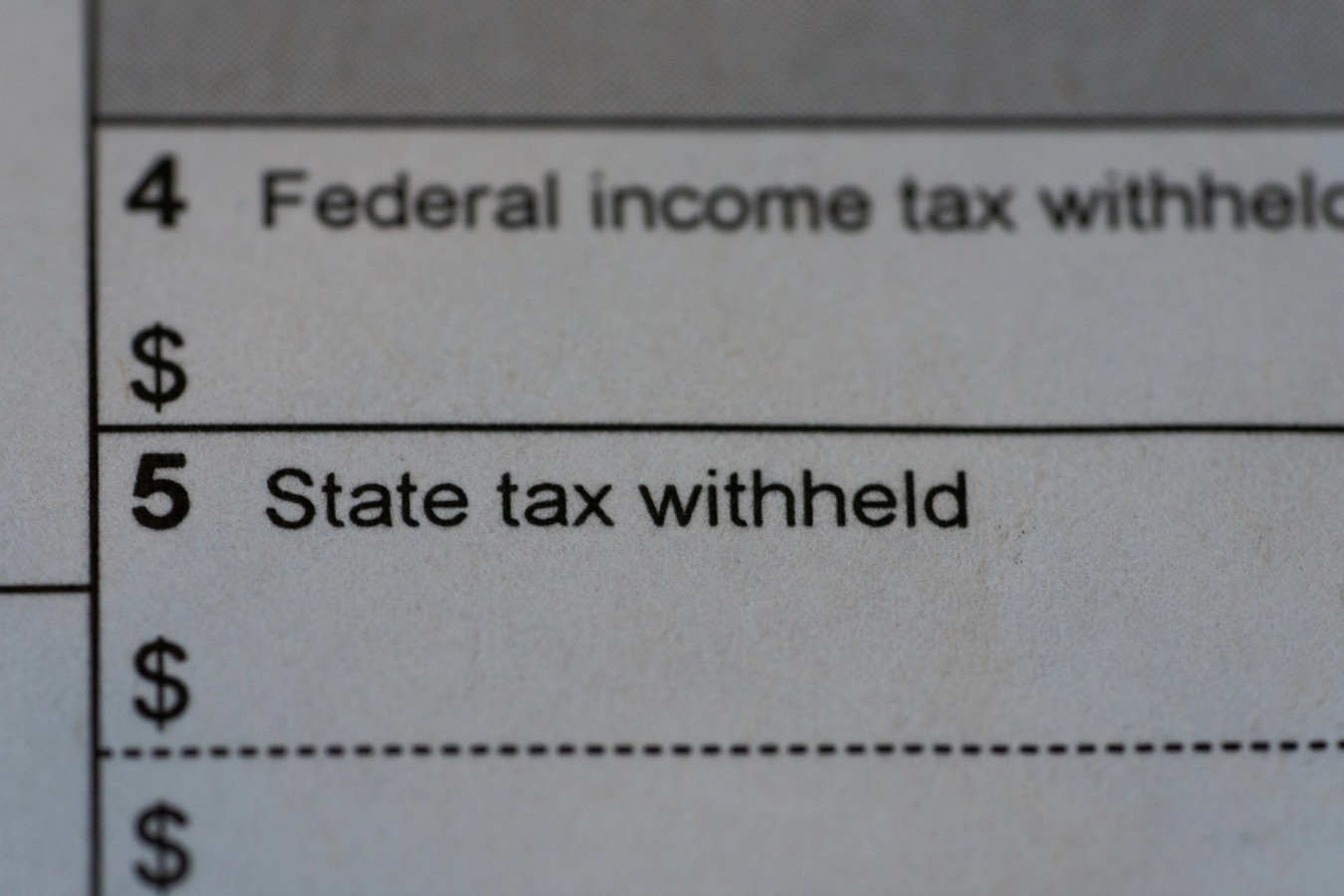
Proposition 42 is a proposed constitutional amendment that would prohibit California from imposing new state taxes on the ownership of personal property, a category that includes assets other than real estate. It would also prohibit certain retroactive state taxes based on taxpayers’ past activities.
The measure’s reach extends beyond retirement accounts. It could cover financial investments, stocks, business holdings, intellectual property, art collections and other forms of personal wealth. The measure would also nullify certain taxes enacted after Jan. 1, 2026, if they conflict with its provisions.
Under the official California voter guide, a yes vote would prevent the state from establishing new taxes on the ownership of financial assets and other personal property. A no vote would leave the state with the option to establish new taxes on the ownership of financial assets or other personal property.
That distinction matters because Proposition 42 would not simply prohibit a specific tax proposal. It would place a broader restriction on the state’s future taxing authority, potentially affecting proposals that have not yet been introduced.
The measure does not prohibit every tax involving wealth or investment income. California would retain the ability to tax income generated by assets under existing law. The proposal instead targets taxes on owning the assets themselves and certain retroactive taxes.
Supporters say retirement accounts need protection from double taxation

Supporters frame Proposition 42 as a safeguard for workers, retirees and families who have spent decades saving for retirement. They argue that the state constitution should prevent lawmakers from taxing the value of personal assets after people have already paid income taxes on the money used to acquire them.
Their argument focuses on the possibility that a future state government could tax the value of retirement accounts or savings even before the owner withdraws the money. Supporters say that would penalize people for saving and could make it harder for middle-class households to prepare for retirement.
California is already an expensive place to retire, supporters argue, and taxes and living costs can force some residents to delay leaving the workforce. Workers depend on their investments to cover expenses after they stop working.
The official campaign argument says Proposition 42 would establish a constitutional protection for retirement and savings accounts, rather than leave the issue to future lawmakers. Backers also argue that the protection would apply to younger workers who are only beginning to build their savings.
But this argument describes a potential future tax, not a tax currently imposed on people simply because they own stocks or retirement accounts. California taxes income from investments, but it does not currently impose a general state tax on the ownership value of financial assets such as stocks and investment accounts.
That distinction is central to the opposition’s case: whether voters should approve a sweeping constitutional restriction to prevent a tax that is not currently in place.
Opponents say the retirement savings argument is misleading

Opponents of Proposition 42 argue that its retirement-savings message distracts voters from its primary political consequence: potentially blocking Proposition 40, the billionaire wealth tax.
The opposition says there is no current proposal to tax ordinary Californians’ retirement accounts, and that Proposition 40 is specifically aimed at billionaires rather than the general population. The proposed wealth tax also exempts many kinds of retirement accounts.
In its coverage of the measure, CalMatters reported that lawmakers have previously proposed asset taxes, but those efforts went nowhere in the Legislature. Any such tax would face significant hurdles, including the state’s two-thirds legislative vote requirement for many tax increases.
Opponents also argue that expanding Proposition 42’s restrictions could limit the state’s ability to respond to future fiscal challenges. Even if lawmakers later wanted to tax a category of personal wealth to fund public services, the constitutional amendment could prevent them from doing so.
Debru Carthan, vice president of SEIU-United Healthcare Workers West, criticized Newsom’s endorsement in a statement reported by CalMatters. “By voting yes on Prop 42, he’s showing California his true colors,” Carthan said. “He’d rather millions of children and families lose their healthcare than ask a couple hundred billionaires to finally pay their fair share.”
The union’s position is that voters should judge Proposition 42 by its broader consequences for taxation and public funding, not only by the retirement savings message used in campaign advertising.
Proposition 42 could block the proposed billionaire tax

The conflict between Propositions 40 and 42 is one of the most consequential parts of the ballot fight.
Proposition 40 would impose a one-time 5% tax on the net worth of people who were California residents with wealth exceeding $1 billion on Jan. 1, 2026. Supporters say the tax would generate tens of billions of dollars over several years, with 90% of the revenue dedicated to health care and 10% to food assistance or education-related programs.
The measure’s backers say the revenue is needed to help offset federal health care funding reductions and protect services for low-income Californians. The tax would apply to a relatively small group of the state’s wealthiest residents rather than to ordinary wage earners.
Proposition 42, by contrast, would prohibit certain retroactive taxes and new taxes on personal property. Because the two measures conflict, approval of both would not necessarily mean both could take effect. Under California’s rules for conflicting ballot measures, the measure receiving more affirmative votes generally prevails over the conflicting provisions of the other measure.
That means Proposition 42 could prevent Proposition 40 from taking effect even if voters approve the billionaire tax. The result would depend on the votes each measure receives and how the conflicting provisions are applied.
For opponents of Proposition 40, this is a feature: they want to prevent a new wealth tax and avoid what they see as the risk of wealthy residents moving out of California. For supporters, it is a reason to oppose Proposition 42, which they view as an effort to defeat the billionaire tax through a measure marketed around retirement security.
Bernie Sanders is urging voters to reject Proposition 42
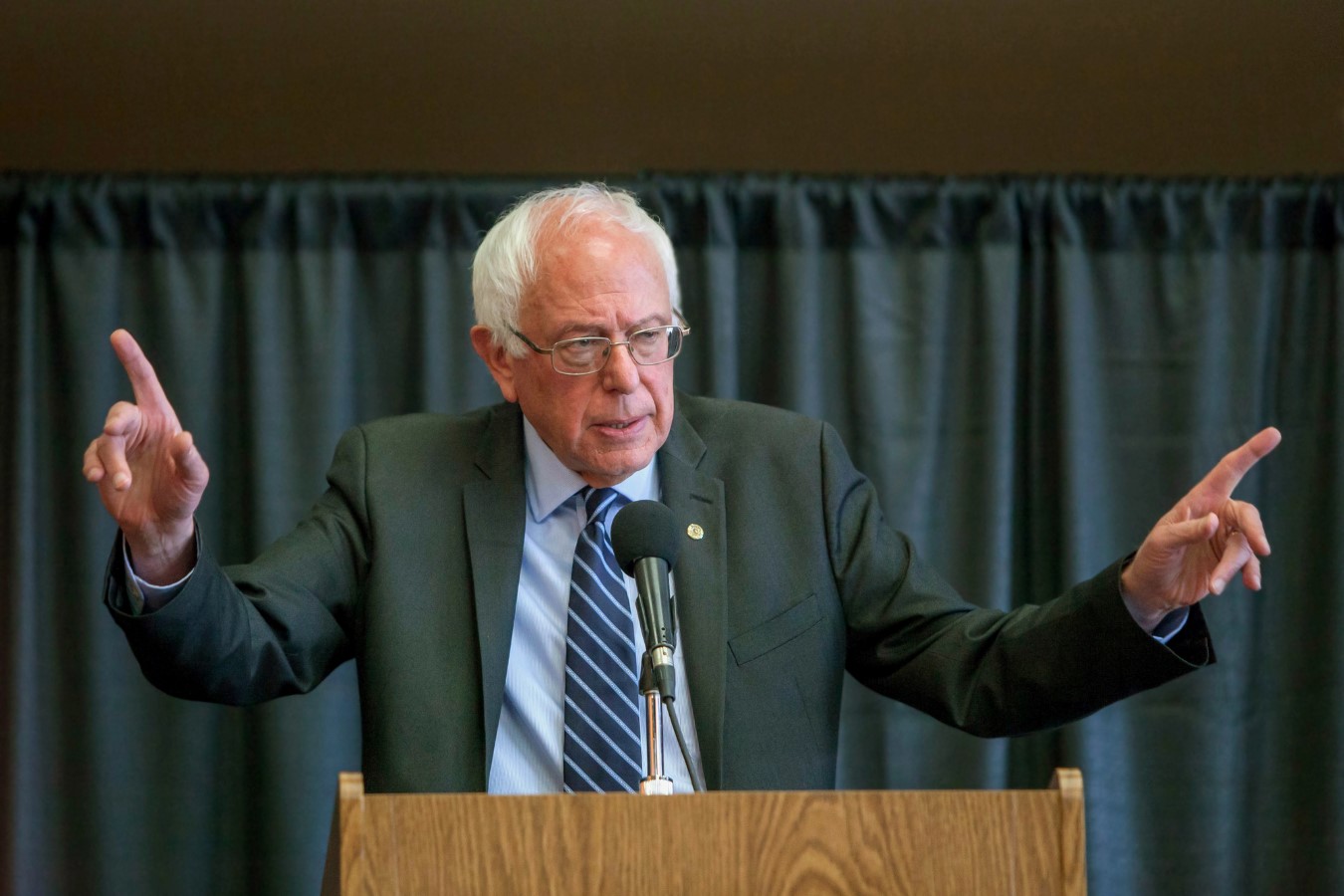
Sanders, the Vermont independent senator who has long advocated higher taxes on the wealthy, is among the most prominent opponents of Proposition 42. He is also opposing Proposition 41, another measure that could interfere with Proposition 40.
Sanders’ position is unusual because he is not a California candidate, but his opposition reflects the national significance progressives attach to the ballot fight. California could become a test case for whether a state can impose a wealth tax on billionaires and use the proceeds to support health care and other public services.
Sanders and the union behind Proposition 40 argue that the measures opposing the tax could undermine funding for millions of Californians while protecting the wealth of a small number of billionaires.
The argument is not that retirement savings should be taxed indiscriminately. Rather, opponents contend that the campaign for Proposition 42 uses concern about retirement accounts to win support for a constitutional amendment whose effects would extend far beyond those accounts.
Sanders’ opposition also puts him on the other side of the issue from Newsom, who has opposed Proposition 40 and endorsed Proposition 42. The disagreement highlights a broader divide within the Democratic coalition over whether a wealth tax is a necessary response to inequality and health care funding needs or a policy that could drive away high-income taxpayers and destabilize state revenue.
Proposition 41 adds another challenge for the billionaire tax

Proposition 42 is not the only measure that could prevent Proposition 40 from taking effect. Proposition 41 would require audits of programs funded by new state special taxes and restrict new taxes that exclude their revenue from the state’s existing spending limit.
Supporters say Proposition 41 would increase transparency and accountability. They point to California’s more than $350 billion state budget and argue that taxpayers deserve independent reviews of whether government programs are delivering results.
They cite spending on homelessness programs as an example of an area where the public wants better outcomes.
Under the proposal, the state auditor would review programs before voters decide on certain new tax initiatives and conduct recurring audits of programs funded by approved special taxes. The measure would also limit the state’s ability to exempt new tax revenue from the spending limit.
Opponents say the measure is not simply about audits. They argue it is another effort to undermine Proposition 40 by imposing restrictions that could prevent the wealth-tax revenue from being used as its supporters intend.
The official Proposition 41 voter guide lists Sanders and SEIU-United Healthcare Workers West among its opponents. Newsom, however, had not announced a position on Proposition 41 in the CalMatters report on his ballot endorsements.
Together, Propositions 41 and 42 create a complicated decision for voters who support a billionaire tax. A yes vote on Proposition 40 alone may not be enough to ensure the tax takes effect if competing measures pass and prevail under the rules governing conflicting propositions.
Wealthy technology donors are spending heavily against Proposition 40

The ballot fight has attracted an unusually large amount of campaign spending from wealthy technology executives and other donors who oppose Proposition 40.
Google co-founder Sergey Brin has been a leading funder of the opposition effort. Other prominent donors include former Google chief executive Eric Schmidt and technology and investment figures who have contributed to campaigns opposing the billionaire tax and supporting measures such as Proposition 42.
Supporters of Proposition 42 say backing from firefighters, construction workers, a coalition of
retirees, blue-collar workers, seniors, veterans, small business and taxpayers demonstrates that the measure is about protecting Californians’ savings, not just helping billionaires.
Opponents counter that the financial imbalance raises questions about who stands to benefit most if Proposition 40 fails. They argue that wealthy donors have a direct financial interest in stopping the proposed tax and that the retirement-savings message helps broaden the measure’s appeal beyond those donors.
Newsom and Brin have known each other for years and attended each other’s weddings, though CalMatters reported that Brin has never donated to Newsom. The relationship has nevertheless become part of the political debate over whether the governor is balancing economic concerns against the interests of wealthy technology figures.
Newsom’s position raises questions about his national tax agenda
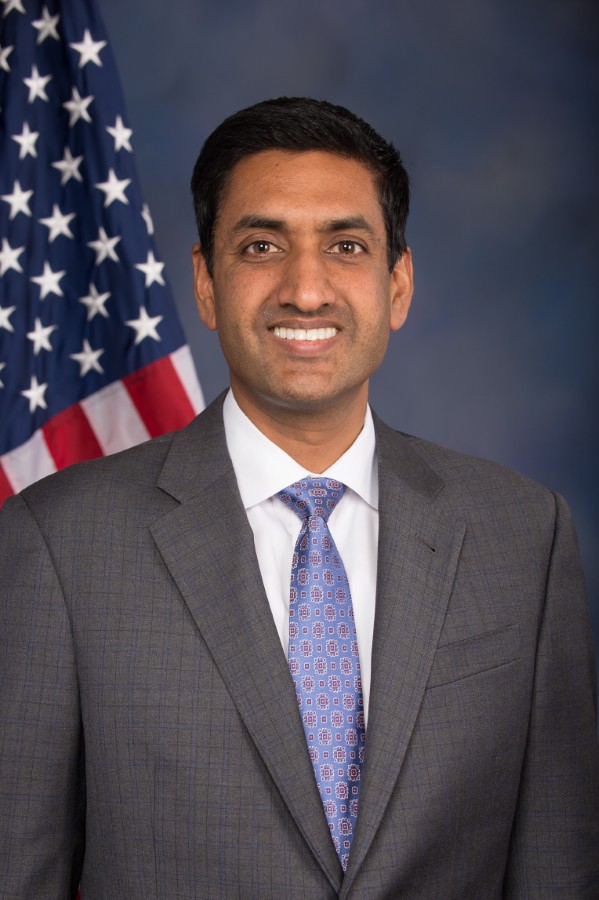
Newsom’s opposition to Proposition 40 comes with a complication: he has also proposed a national tax agenda targeting wealthy Americans and corporations.
As CalMatters reported, Newsom has called for a minimum tax rate on people with net worth exceeding $100 million, reversing corporate tax cuts enacted in 2017, increasing inheritance taxes and closing loopholes that allow wealthy people to borrow against unrealized capital gains without paying income tax.
Newsom argues that a national approach could address wealth inequality while reducing the risk that California alone would drive wealthy residents and their tax revenue to other states. He has said that a state-level wealth tax could prompt billionaires to leave, potentially reducing future income-tax collections.
Progressives question why he would support national tax increases on the wealthy while opposing California’s proposed one-time billionaire tax. They argue that his position weakens the state’s effort to fund health care and gives wealthy donors a veto over tax policy.
Rep. Ro Khanna, a California Democrat who has supported Proposition 40, has been particularly critical of Newsom. Khanna said the governor’s relationship with wealthy donors was the “only reason” for his opposition and argued that Newsom’s stance conflicts with his criticism of President Donald Trump.
“You can’t be anti-Trump and then do the bidding of Trump donors,” Khanna said in a video with progressive former congressional candidate Saikat Chakrabarti, according to CalMatters.
The California tax fight could shape the debate ahead of 2028

The battle over Propositions 40, 41 and 42 could have consequences beyond the November ballot. California’s decision may influence how other states approach wealth taxes, retirement savings protections and constitutional restrictions on taxation.
For progressives, Proposition 40 is an opportunity to make billionaires contribute more toward health care and other services at a time when federal policy is putting pressure on state budgets. Sanders and Khanna have presented the measure as a test of whether Democratic leaders will challenge concentrated wealth or accommodate it.
For Newsom, the issue involves a different calculation. He has opposed a state-level wealth tax while proposing a broader national tax plan, arguing that California should avoid policies that could encourage wealthy residents to relocate. His endorsement of Proposition 42 places him in direct conflict with his party’s statewide endorsement of Proposition 40 and with labor groups that see the billionaire tax as a way to protect public services.
The disagreement may also become part of the conversation around the 2028 presidential race. Newsom is widely viewed as a potential Democratic contender, while Khanna has also been mentioned as a possible candidate. Their contrasting positions give voters a preview of a larger party debate over wealth inequality, economic competitiveness, health care funding and the influence of wealthy donors.
Ultimately, Proposition 42 asks voters to decide whether a broad constitutional ban on certain future taxes is worth adopting in the name of protecting personal savings. Its supporters see a safeguard for workers and retirees; its opponents see a measure that could prevent California from taxing billionaire wealth to help fund public services.
The outcome will depend on how voters weigh those competing arguments; and how they vote on the related measures that could determine whether California’s proposed billionaire tax becomes law.
Like Financial Freedom Countdown content? Be sure to follow us!

Did you find this article helpful? We’d love to hear your thoughts! Leave a comment with the box on the left-hand side of the screen and share your thoughts.
Also, do you want to stay up-to-date on our latest content?
1. Follow us by clicking the [+ Follow] button above,
2. Give the article a Thumbs Up on the top-left side of the screen.
3. And lastly, if you think this information would benefit your friends and family, don’t hesitate to share it with them!

John Dealbreuin came from a third world country to the US with only $1,000 not knowing anyone; guided by an immigrant dream. In 12 years, he achieved his retirement number.
He started Financial Freedom Countdown to help everyone think differently about their financial challenges and live their best lives. John resides in the San Francisco Bay Area enjoying nature trails and weight training.
Here are his recommended tools
Personal Capital: This is a free tool John uses to track his net worth on a regular basis and as a retirement planner. It also alerts him wrt hidden fees and has a budget tracker included.
Platforms like Yieldstreet provide investment options in art, legal, real estate, structured notes, venture capital, etc. They also have fixed-income portfolios spread across multiple asset classes with a single investment with low minimums of $10,000.