
Trump’s new student loan rules take effect as millions face SAVE deadline and repayment changes

Millions of Americans with federal student loans are now navigating the most sweeping overhaul of the student loan system in years after major provisions of President Donald Trump’s One Big Beautiful Bill took effect on July 1. The changes introduce a new income-driven repayment program, eliminate several existing options for future borrowers, impose new borrowing limits, and require millions of borrowers currently enrolled in the SAVE plan to transition to another repayment program.
The Trump administration says the reforms will simplify repayment, prevent ballooning loan balances, and encourage responsible borrowing. Consumer advocates, however, warn the new rules could increase monthly costs for some borrowers, extend repayment timelines, and make graduate education more expensive.
The July 1 rollout marks one of the largest single-day changes to the federal student loan system in decades. The reforms affect both how future students borrow money and how millions of existing borrowers repay their loans.
According to the Department of Education, the changes are intended to streamline a repayment system that had expanded into multiple income-driven repayment programs while also reducing the growth of unpaid interest.
The overhaul comes as roughly 43 million Americans owe about $1.8 trillion in student debt, including approximately $1.7 trillion in federal student loans. About one-quarter of federal borrowers are considered significantly delinquent on their payments.
Repayment Assistance Plan becomes the new income-driven option

At the center of the overhaul is the new Repayment Assistance Plan (RAP), which becomes the primary income-driven repayment option for most borrowers taking out new federal student loans after July 1.
Under RAP:
Monthly payments generally range from 1% to 10% of adjusted gross income.
Every borrower pays at least $10 per month.
Payments are reduced by $50 per month for each dependent when calculating eligible income.
Any unpaid monthly interest is waived so balances do not grow because of negative amortization.
If payments fail to reduce principal by at least $50, the federal government may contribute up to $50 each month toward reducing the principal balance.
Remaining balances become eligible for forgiveness after 30 years of repayment.
Eligible payments continue counting toward Public Service Loan Forgiveness (PSLF).
The Department of Education says the online RAP application takes about 10 minutes to complete through StudentAid.gov, and borrowers who enroll in autopay receive a 1% interest rate reduction.
Nearly 46,000 borrowers signed up for RAP on launch day. Education officials reported strong initial interest in the new repayment program.
Under Secretary of Education Nicholas Kent announced that nearly 46,000 borrowers submitted RAP applications on the program’s first official day.
Kent shared the update on X, writing: “@usedgov launched the new income-driven Repayment Assistance Plan today, and nearly 46,000 borrowers have already submitted an application to enroll! Visit StudentAid.gov to switch plans today!”
While the early response was significant, it represents only a small share of the millions of borrowers expected to transition over the coming months.
Millions of SAVE borrowers now face a 90-day deadline

Perhaps the biggest immediate impact falls on borrowers currently enrolled in the Biden administration’s SAVE repayment plan.
An estimated 7 million to 7.5 million borrowers in SAVE must transition to another repayment option after receiving notification from their loan servicer.
Borrowers generally have 90 days after receiving that notice to select a new repayment plan. Those who fail to choose an option could eventually be placed into a different repayment plan that may result in higher monthly payments.
Education officials previously noted that more than 300,000 SAVE borrowers had already switched repayment plans before RAP officially launched.
New repayment choices become much more limited

The overhaul also simplifies repayment choices for future borrowers.
For most people taking out new federal student loans after July 1, only two primary repayment options are generally available:
The new Repayment Assistance Plan (RAP)
The new Tiered Standard Repayment Plan
Existing borrowers may still have temporary access to older programs such as PAYE and Income-Contingent Repayment (ICR), although those legacy plans are scheduled to be phased out by 2028.
The SAVE repayment plan is officially ending as borrowers transition into the new system.
New borrowing caps limit graduate and Parent PLUS loans

The legislation also introduces significantly tighter borrowing limits for future students and families.
Graduate students are generally limited to borrowing:
$20,500 annually
$100,000 over their lifetime
Professional students, including many attending law or medical school, may borrow:
$50,000 annually
$200,000 over their lifetime
Parent PLUS loans, which previously could cover the full cost of attendance, are now capped at:
$20,000 per child each year
$65,000 total per child
In addition, most borrowers now face a lifetime federal student loan borrowing limit of $257,500, excluding Parent PLUS loans.
Graduate PLUS loans have also been eliminated for students beginning new graduate or professional degree programs.
Supporters say the changes simplify repayment and reduce debt growth

The Trump administration argues the new framework addresses longstanding problems in the federal student loan system.
Officials say RAP prevents loan balances from growing because unpaid interest no longer accumulates, while the government’s principal reduction feature ensures borrowers make measurable progress toward paying down their debt.
Administration officials have also argued that tighter borrowing limits could discourage excessive student borrowing and encourage colleges and universities to control rising tuition costs.
Consumer advocates warn some borrowers could pay more
Critics contend the new repayment system may not benefit everyone.
Organizations including the National Consumer Law Center and Protect Borrowers argue that RAP’s required minimum monthly payment and 30-year forgiveness timeline could leave some lower-income borrowers paying more over time than they would have under previous income-driven repayment plans.
Advocates also warn that eliminating Graduate PLUS loans and imposing new federal borrowing caps could push more students toward higher-cost private loans or discourage some students from pursuing graduate and professional degrees altogether.
Financial aid experts are encouraging borrowers; particularly those currently enrolled in SAVE; to carefully compare repayment options before making a switch.
What the new rules mean going forward

Education officials and financial aid experts alike recommend that borrowers evaluate their options carefully before selecting a new repayment plan.
Borrowers comparing RAP with remaining legacy repayment options or the new Tiered Standard Plan should consider both their expected monthly payments and their long-term repayment costs based on income, family size, and future career plans.
With millions of SAVE borrowers expected to receive transition notices throughout the summer and fall, application volume is likely to increase significantly as more borrowers approach their individual 90-day enrollment windows.
The July 1 reforms represent a major shift in federal student loan policy, particularly for students taking out loans after the effective date. New borrowers will generally enter a simplified repayment system centered on RAP or the Tiered Standard Plan while facing stricter borrowing limits than previous generations of students.
Whether the overhaul ultimately improves the nation’s student loan system remains an open question. Supporters believe the changes will simplify repayment and curb excessive borrowing, while critics argue the new limits and repayment structure could increase financial pressure for many borrowers and reduce access to higher education for future students.
Like Financial Freedom Countdown content? Be sure to follow us!
14 essential strategies to maximize your Social Security and avoid costly mistakes
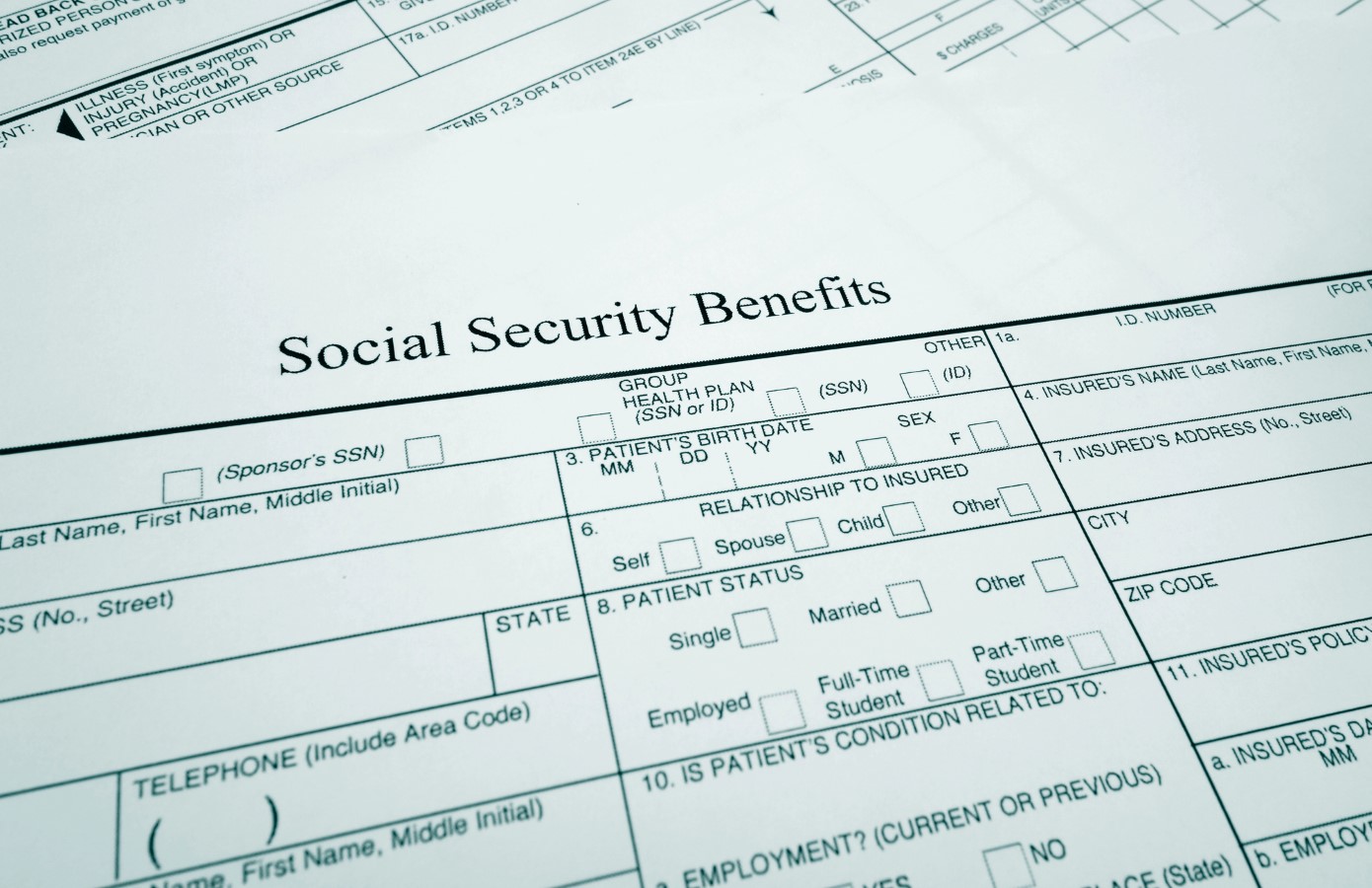
Social Security is a vital lifeline for many seniors, providing crucial income support during retirement. With inflation at its highest in four decades, Social Security’s inflation-adjusted benefits offer protection against rising costs.
Rising interest rates have disrupted many retirement portfolios, causing bond fund values to plummet. In this volatile financial landscape, Social Security can stabilize a typical stock-bond retirement portfolio. By implementing smart strategies, retirees can maximize their Social Security benefits and ensure a more secure financial future.
14 Essential Strategies to Maximize Your Social Security and Avoid Costly Mistakes
11 reasons you should claim Social Security early

Deciding when to claim Social Security is often about maximizing your benefit. Financial planners usually advise delaying your claim for as long as possible to secure the highest monthly payment. Your benefit is based on your lifetime earnings, with a full payout available at your full retirement age (FRA), which is currently between 66 and 67 depending on your birth year. Claiming before FRA results in a permanent reduction in your monthly benefit, while waiting beyond FRA leads to a permanent increase. However, the decision isn’t solely about maximizing the monthly check. Personal factors such as health, family circumstances, and financial needs can play a significant role in determining the right time to claim.
11 Reasons You Should Claim Social Security Early

Did you find this article helpful? We’d love to hear your thoughts! Leave a comment with the box on the left-hand side of the screen and share your thoughts.
Also, do you want to stay up-to-date on our latest content?
1. Follow us by clicking the [+ Follow] button above,
2. Give the article a Thumbs Up on the top-left side of the screen.
3. And lastly, if you think this information would benefit your friends and family, don’t hesitate to share it with them!

John Dealbreuin came from a third world country to the US with only $1,000 not knowing anyone; guided by an immigrant dream. In 12 years, he achieved his retirement number.
He started Financial Freedom Countdown to help everyone think differently about their financial challenges and live their best lives. John resides in the San Francisco Bay Area enjoying nature trails and weight training.
Here are his recommended tools
Personal Capital: This is a free tool John uses to track his net worth on a regular basis and as a retirement planner. It also alerts him wrt hidden fees and has a budget tracker included.
Platforms like Yieldstreet provide investment options in art, legal, real estate, structured notes, venture capital, etc. They also have fixed-income portfolios spread across multiple asset classes with a single investment with low minimums of $10,000.